Ship Globally, Sell More: Easy International Shipping Tips
In today's interconnected world, businesses have unprecedented opportunities to expand their reach beyond domestic borders. International shipping plays a crucial role in tapping into new markets and driving growth. However, navigating the complexities of global logistics can be challenging. This guide provides easy international shipping tips to help businesses ship globally and sell more effectively, ensuring smooth operations and satisfied customers.
Understanding International ShippingKey Concepts
International shipping involves the transportation of goods across country borders. It requires careful planning and execution to manage factors such as shipping costs, delivery times, and customs regulations. Understanding these key concepts is essential for businesses looking to expand their global footprint.
Benefits of Shipping GloballyShipping globally offers numerous benefits, including access to larger markets, increased sales potential, and enhanced brand recognition. By reaching international customers, businesses can diversify their revenue streams and reduce dependence on domestic markets. Moreover, a global presence can strengthen a brand's credibility and appeal.
Preparing Your Business for International ShippingAssessing Market Potential
Before venturing into international shipping, businesses should assess the market potential in target countries. This involves analyzing demand for their products, understanding local competition, and identifying potential customer segments. Conducting thorough market research helps in making informed decisions and tailoring strategies to meet specific market needs.
Adapting Your ProductAdapting products to suit the preferences and requirements of international markets is crucial for success. This may involve modifying product features, packaging, or labeling to comply with local standards and appeal to local tastes. Customizing products for different markets ensures better acceptance and customer satisfaction.
Choosing the Right Shipping CarrierComparing Carriers
Choosing the right shipping carrier is a critical decision in international logistics. Businesses should compare carriers based on factors such as shipping rates, delivery times, service quality, and geographical coverage. Evaluating these factors helps in selecting carriers that align with business goals and customer expectations.
Evaluating ServicesIn addition to cost and delivery speed, businesses should consider the range of services offered by carriers. This includes tracking capabilities, insurance options, and customer support. Choosing carriers that provide comprehensive services enhances the shipping experience and ensures reliable delivery.
Shipping Costs and BudgetingEstimating Costs
Accurately estimating shipping costs is essential for budgeting and pricing strategies. Businesses should consider factors such as weight, dimensions, destination, and shipping method when calculating costs. Utilizing shipping calculators provided by carriers can help in obtaining precise estimates.
Reducing ExpensesThere are several strategies to reduce international shipping expenses. These include negotiating rates with carriers, consolidating shipments, and using efficient packaging to minimize weight and volume. Additionally, leveraging shipping software can help optimize routes and reduce costs.
Packaging for International ShippingImportance of Packaging
Proper packaging is crucial for protecting goods during transit and ensuring they reach customers in perfect condition. It also plays a role in complying with international shipping regulations and preventing damage. Investing in quality packaging materials and techniques is a wise decision for any business.
Best PracticesBest practices for international shipping packaging include using sturdy boxes, appropriate cushioning materials, and secure sealing methods. Labeling packages correctly with relevant information and handling instructions is also important. Businesses should consider the nature of the product and the shipping journey when designing their packaging.
Customs and DocumentationUnderstanding Customs Requirements
Navigating customs requirements is a significant aspect of international shipping. Each country has its own regulations and documentation requirements for imports and exports. Understanding these requirements and preparing the necessary documents ensures smooth customs clearance and avoids delays.
Preparing Necessary DocumentsCommon documents required for international shipping include commercial invoices, packing lists, certificates of origin, and bills of lading. Accurate and complete documentation is crucial for compliance with customs regulations. Businesses should work closely with their shipping carriers to ensure all necessary paperwork is prepared correctly.
Ensuring Compliance with International RegulationsRegulatory Considerations
Compliance with international regulations is essential to avoid legal issues and penalties. Businesses must stay informed about regulations related to product standards, labeling, and safety. Working with knowledgeable logistics partners can help in navigating these complex requirements.
Avoiding Legal IssuesAvoiding legal issues involves ensuring that products meet all regulatory standards and that all documentation is accurate and complete. Regularly reviewing and updating compliance practices helps in mitigating risks and maintaining smooth operations.
Tracking and Managing ShipmentsReal-Time Tracking
Real-time tracking provides visibility into the status of shipments, allowing businesses and customers to monitor progress and anticipate delivery times. Many carriers offer tracking services that provide updates at various stages of the shipping journey.
Managing DelaysDespite best efforts, delays can occur in international shipping due to factors such as customs inspections, weather conditions, and logistical challenges. Having contingency plans in place and maintaining clear communication with customers helps in managing delays effectively.
Optimizing Delivery TimesSelecting Efficient Routes
Selecting efficient shipping routes is key to optimizing delivery times and reducing costs. Working with carriers that offer optimized routes and leveraging logistics software can help in identifying the best paths for shipments.
Expedited Shipping OptionsFor time-sensitive shipments, businesses can consider expedited shipping options. While more expensive, expedited services ensure faster delivery and can be crucial for meeting urgent customer needs. Balancing cost and speed is essential when choosing expedited shipping.
Dealing with Returns and ExchangesHandling Returns
Managing returns and exchanges is an important aspect of international shipping. Businesses should establish clear return policies and procedures that are customer-friendly. Efficient handling of returns ensures customer satisfaction and builds trust.
Customer-Friendly PoliciesCustomer-friendly return policies include clear guidelines on return eligibility, timelines, and refund processes. Providing prepaid return labels and offering multiple return options can enhance the customer experience.
Customer Communication and SupportProviding Information
Clear and proactive communication is vital in international shipping. Providing customers with accurate information about shipping options, costs, delivery times, and tracking details helps in setting expectations and building trust.
Handling QueriesEffective customer support involves promptly addressing queries and resolving issues. Businesses should offer multiple support channels, including email, phone, and live chat, to assist customers with their shipping-related questions.
Leveraging Technology for International ShippingShipping Software
Shipping software can streamline international shipping operations by automating tasks such as label printing, rate comparison, and tracking. Investing in advanced shipping software enhances efficiency and reduces manual errors.
Automation ToolsAutomation tools help in managing various aspects of international shipping, from order processing to inventory management. Utilizing these tools reduces the administrative burden and allows businesses to focus on strategic growth.
Sustainability in International ShippingGreen Practices
Adopting sustainable practices in international shipping is becoming increasingly important. This includes using eco-friendly packaging materials, optimizing shipping routes to reduce fuel consumption, and partnering with carriers committed to green logistics.
Reducing Carbon FootprintBusinesses can reduce their carbon footprint by consolidating shipments, choosing energy-efficient transportation modes, and implementing recycling programs. Sustainable practices not only benefit the environment but also enhance brand reputation.
Marketing Your International Shipping CapabilitiesPromoting Global Reach
Marketing international shipping capabilities involves highlighting the ability to deliver products to customers worldwide. Businesses should showcase their global reach in marketing campaigns, website content, and social media to attract international customers.
Enhancing Brand ImageOffering international shipping enhances a brand's image as a global player. Emphasizing this capability in branding efforts can differentiate businesses from competitors and appeal to a broader audience.
Case Studies: Success Stories of International ShippingBusiness A
Business A, a fashion retailer, successfully expanded its customer base by offering international shipping. By partnering with reliable carriers and optimizing shipping processes, they increased global sales by 30% within a year.
Business BBusiness B, an electronics manufacturer, leveraged advanced shipping software to streamline international logistics. This investment resulted in a 20% reduction in shipping costs and improved delivery times, boosting customer satisfaction.
Business CBusiness C, an artisanal goods company, implemented sustainable shipping practices to reduce their environmental impact. By using eco-friendly packaging and optimizing routes, they enhanced their brand reputation and attracted eco-conscious customers.
Common Challenges in International ShippingIdentifying Challenges
Common challenges in international shipping include navigating customs regulations, managing shipping costs, and handling delays. Identifying these challenges helps businesses develop strategies to address them effectively.
Solutions and Best PracticesSolutions and best practices include working with experienced logistics partners, investing in technology, and maintaining clear communication with customers. Proactive planning and continuous improvement are key to overcoming challenges.
Future Trends in International ShippingEmerging Technologies
Emerging technologies such as blockchain, AI, and IoT are transforming international shipping. These technologies enhance transparency, efficiency, and security in logistics operations.
Industry TrendsIndustry trends include increasing demand for sustainable shipping practices, the rise of cross-border e-commerce, and the use of data analytics to optimize logistics. Staying informed about these trends helps businesses stay competitive.
FAQsWhat are some easy tips for international shipping?
Some easy tips for international shipping include choosing the right carrier, using efficient packaging, understanding customs requirements, and leveraging shipping software to streamline operations.
How can I reduce shipping costs?Reducing shipping costs involves comparing carrier rates, consolidating shipments, negotiating with carriers, and optimizing packaging to reduce weight and volume.
What should I consider when choosing a shipping carrier?When choosing a shipping carrier, consider factors such as shipping rates, delivery times, service quality, geographical coverage, tracking capabilities, and customer support.
How can I ensure compliance with international regulations?Ensuring compliance with international regulations involves understanding customs requirements, preparing accurate documentation, and staying informed about regulatory changes.
What is the best way to handle international returns?The best way to handle international returns is to establish clear return policies, provide prepaid return labels, and offer multiple return options to enhance customer satisfaction.
What future trends are expected in international shipping?Future trends in international shipping include the adoption of emerging technologies such as blockchain and AI, increasing demand for sustainable practices, and the rise of cross-border e-commerce.
ConclusionIn conclusion, expanding your business through international shipping offers significant growth opportunities. By following these easy international shipping tips, businesses can navigate the complexities of global logistics, reduce costs, and enhance customer satisfaction. Staying informed about industry trends and leveraging technology will ensure long-term success in the dynamic world of international shipping.


Thank you for choosing Deftship as your logistic solution provider.
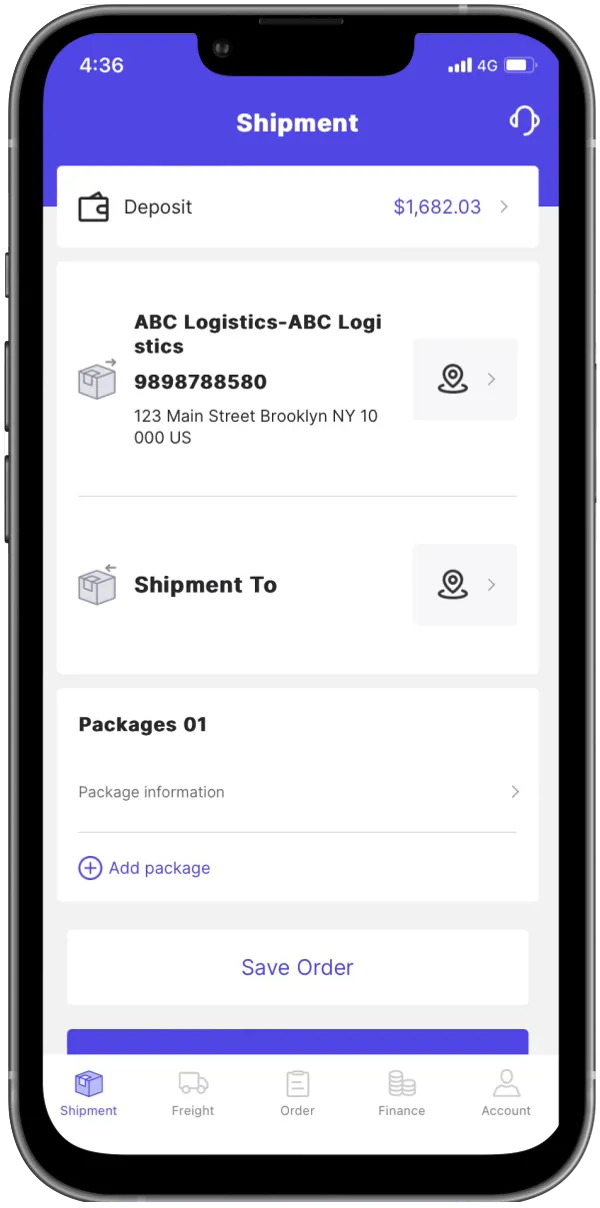
You can create a shipment
anywhere, anytime!