How to Manage International Shipping for E-commerce Businesses
Expanding into international markets can be a lucrative move for e-commerce businesses, offering access to a broader customer base and increasing revenue potential. However, managing international shipping presents unique challenges, from selecting appropriate carriers to navigating complex customs regulations and controlling shipping costs. This comprehensive guide explores strategies and tools to simplify international shipping logistics, ensuring a smooth and efficient process for e-commerce businesses.
Selecting the Right Carriers for International ShippingChoosing the right shipping carrier is a critical decision in international logistics. The carrier you select can impact delivery times, shipping costs, and overall customer satisfaction. Here are some factors to consider when selecting a carrier for international shipments:
Reliability and Reputation
The reliability of a carrier is paramount, especially for international shipping, where delays can significantly affect customer experience. It's essential to choose a carrier with a proven track record of timely deliveries and professional service. Research carrier reviews and ratings to ensure they have a good reputation in the regions you plan to ship to.
Coverage and Network
Consider the carrier's coverage and network capabilities. Some carriers may have strong networks in specific regions, making them ideal for shipments to those areas. Others may offer comprehensive global coverage, which is beneficial for businesses shipping to multiple international destinations. Assess your target markets and choose carriers that provide reliable services in those locations.
Shipping Rates and Services
Shipping costs can vary significantly between carriers. It's important to compare rates and services to find the best balance between cost and service quality. Some carriers offer discounted rates for bulk shipments or regular shipments, which can help manage expenses. Additionally, consider the range of services offered, such as express shipping, freight forwarding, and package tracking, to meet your business needs.
Understanding Customs RegulationsNavigating customs regulations is one of the most challenging aspects of international shipping. Customs procedures vary by country and can impact delivery times and costs. Understanding these regulations is crucial to ensuring smooth customs clearance and avoiding unexpected delays or fees.
Customs Documentation
Accurate and complete documentation is essential for customs clearance. Key documents include the commercial invoice, packing list, and customs declaration forms. The commercial invoice should provide detailed information about the contents, value, and origin of the shipment. The packing list includes details about the packaging and contents, while customs declaration forms provide additional information required by customs authorities.
Tariffs and Duties
Tariffs and duties are taxes imposed on imported goods. These charges vary depending on the product type, value, and destination country. It's important to understand the tariffs and duties applicable to your products to accurately estimate shipping costs. Some countries have trade agreements that reduce or eliminate tariffs for certain products, so be sure to check if your products qualify for preferential treatment.
Prohibited and Restricted Items
Each country has its own list of prohibited and restricted items. Prohibited items cannot be shipped under any circumstances, while restricted items may require special permits or documentation. It's crucial to review these lists before shipping to ensure compliance and avoid delays or fines.
Managing Shipping CostsShipping costs can significantly impact the profitability of international sales. Effective cost management strategies can help keep expenses in check while maintaining service quality.
Dimensional Weight Pricing
Many carriers use dimensional weight pricing for international shipments. This pricing method considers the size of the package in addition to its weight. To minimize costs, use appropriately sized packaging and avoid excessive padding. Consider using lightweight materials that still provide adequate protection.
Shipping Insurance
Shipping insurance protects against loss or damage during transit. While it adds to the shipping cost, it can be a worthwhile investment, especially for high-value items. Evaluate the risk and decide whether to purchase insurance for specific shipments. Some carriers offer built-in insurance for a certain value, while others require additional coverage.
Consolidating Shipments
Consolidating shipments can reduce shipping costs by taking advantage of bulk rates. If you have multiple orders going to the same destination, consider consolidating them into a single shipment. This approach can lower per-unit shipping costs and simplify customs clearance.
Tools and Strategies for Simplifying International LogisticsManaging the complexities of international shipping can be challenging, but there are tools and strategies that can streamline the process.
Shipping Software
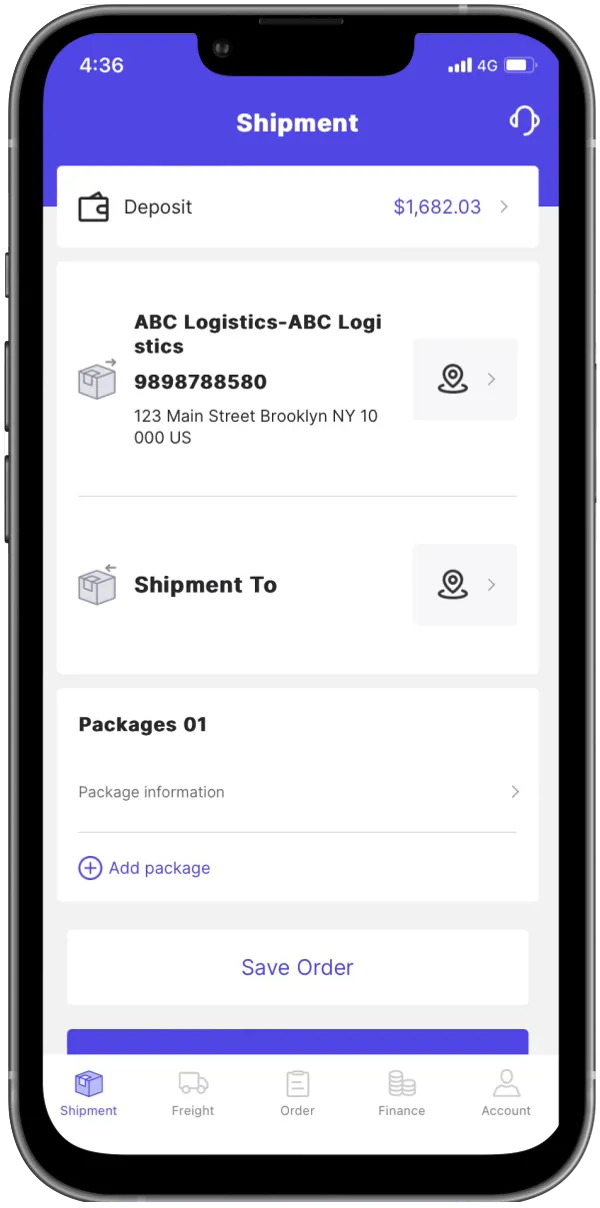
Shipping software can automate many aspects of the shipping process, from generating labels to tracking shipments. These platforms often integrate with e-commerce systems, providing a seamless experience for managing orders and shipments. Key features to look for include multi-carrier support, real-time tracking, and customs documentation management.
Third-Party Logistics (3PL) Providers
3PL providers offer comprehensive logistics solutions, including warehousing, order fulfillment, and shipping. Partnering with a 3PL can offload the complexities of international shipping and allow you to focus on other aspects of your business. They often have established relationships with carriers and can negotiate better rates on your behalf.
Localization and Market Research
Understanding the local market is crucial for successful international shipping. This includes knowing the preferred delivery methods, common payment options, and cultural nuances. Localizing your website, product descriptions, and customer service can enhance the shopping experience for international customers and increase conversion rates.
Customer Communication
Clear and proactive communication with customers is vital for managing international shipments. Provide detailed information about shipping times, costs, and any potential delays. Offer multiple language support if you serve diverse markets. Additionally, send regular updates about the status of their orders and provide an easy way for them to track shipments.
ConclusionManaging international shipping for e-commerce businesses involves navigating a complex landscape of carriers, customs regulations, and cost considerations. By selecting the right carriers, understanding customs requirements, and employing cost-effective strategies, businesses can streamline their international shipping processes. Tools like shipping software and 3PL providers can further simplify logistics, allowing businesses to focus on growth and customer satisfaction. As global markets continue to expand, mastering the intricacies of international shipping will be a key factor in achieving e-commerce success.

Thank you for choosing Deftship as your logistic solution provider.
You can create a shipment
anywhere, anytime!